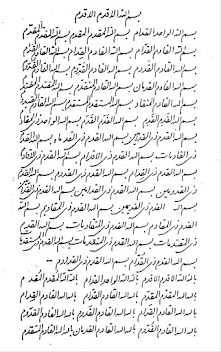
The difference between Rasūl, Nabī, and Muḥaddath

383
In the Name of God the Self-Discloser, the Self-Disclosed!
Praise be unto God, the Lord of the worlds! And salutations and blessings be upon the loci of the message, the reception and the discourse!
Q: What is the difference between Rasūl, Nabī, and Muḥaddath?
As for the matter at hand: thus saith the Camphorated Servant of the Truly Real!
The Rasūl (Messenger) is the locus of a total tajallī (Divine Self-Disclosure) legislating and constituting a new ontic horizon, and in this sense He or She is the most complete exteriorization of the Ḥaqīqa Muḥammadīya (the Muḥammadan Reality), wherein the primordial Light becomes norm, law, and world-order. The Nabī (Prophet) is the receptacle of ongoing tajalliyāt (divine self-disclosures) renewing disclosure within an already delimited horizon, standing as a barzakhic intensifier between the founding outpouring and its historical unfolding. The Muḥaddath (one spoken to/inspired) is the locus of mukhāṭaba (unseen discourse) within the walāyic interior—an interior that is at once pre-legislative and trans-legislative—and here the disclosure is not the imposition of form but the unveiling (kashf) of the subuḥāt al-jalāl (glorifications of the Divine Majesty) in their immediacy; this is the domain of Wilāya (Providential Guidance) in its pure onticity, most perfectly instantiated in the reality of ꜤAlī (ع) as the axis (quṭb) of interior disclosure.
These three are not separate ranks but differentiated vectorial unfoldings of a single tajallī rooted in the station of the Nuqṭa (Point) beneath the Bāʾ of Bismillāh (ب) (“In the Name of God”): outwardly as risāla (legislation and horizon-constitution), mediately as nubuwwa (renewal and intensification within the horizon), and inwardly as taḥdīth and unmediated address beyond juridical form. In the language of Ibn ꜤArabī, this triad expresses the polarity of ḥaqīqa muḥammadīya and wilāya ʿalawīya as two inseparable faces of a Single Reality; and in the Illuminationist ontology of Suhrawardī, it may be read as the graded descent of Light from the sovereign dominion of the Lights of lights (nūr al-anwār), through the archangelic mediations of the dominating Lights (al-anwār al-qāhira), into the interiorized irradiation of the human locus, wherein the Muḥaddath stands as the mirror of the angelic address without assuming the burden of tashrīʿ (legislation). Thus the nuqṭa is the undifferentiated principle of disclosure, the Bāʾ its first extension into articulation, and Rasūl, Nabī, and Muḥaddath are the three principal directions by which that single Point becomes world, meaning, and inward unveiling.
Taken another way, the Rasūl (Messenger) is the locus of Manifestation (maẓhar) of the Bāʾ (ب), the first extension of the nuqṭa into articulated horizon and legislation; the Nabī (Prophet) is the maẓhar of the Sīn (س), the rhythmic unfolding of tajalliyāt within the already inscribed horizon; and the Muḥaddath is the maẓhar of the Mīm (م), the recollected interiority wherein mukhāṭaba and kashf occur without the outward vector of tashrīʿ (legislation). Over and beyond these stands the Alif al-Ghayb (the Unseen Alif), not as a fourth alongside them but as the unseen axial principle by which the nuqṭa, the Bāʾ, and the entire economy of disclosure subsist. This Alif al-Ghayb is the Divine Reality in Its transcendence, which becomes knowable only in and through these modalities of the tajallī of the Perfect Human (al-insān al-kāmil) without ever being delimited by them; hence “Bism” (In Name of) precedes “Allāh” (God) in the formulation, not as a temporal priority, but as the indication that every act of knowing the Real is already situated within the Name—within the very unfolding of manifestation by which the Hidden Treasure discloses Itself seeking to be known while remaining forever beyond definitive, final disclosure. Thus all three stations are the station of the Mirror of God (mirāt allāh) as a Singular Reality in three different modes of manifestation. So:
the Bāʾ (Rasūl) = ẓuhūr tashrīʿī (legislative manifestation)
the Sīn (Nabī) = ẓuhūr taʿrīfī (manifestation of recognition/explication)
the Mīm (Muḥaddath) = ẓuhūr dhawqī (tasted, interior manifestation)
Now, al-waḥy (الوحي) is a tanzīlī, taqyīdī tajallī: a determinate descent of the Divine Command (al-amr) from the plane of the Alif al-Ghayb into articulated form, mediated through the angelic intellect, such that the disclosure arrives maqrūʾ/malfūẓ (recited/uttered), bears ḥadd wa-rasm (definite limits and form), and founds or renews a ufuq tashrīʿī (legislative horizon). Its locus is the Rasūl/Nabī as maẓhar ẓāhirī, where the Point (nuqṭa) extends as the Bāʾ into sharīʿa and world-order.
Al-ilhām (الإلهام) is a ishrāqī, iṭlāqī tajallī: an irradiative inpouring from the same Source that does not descend as bounded speech but arises as wārid/khāṭir (inspiration or influx/inner prompting) in the qalb (heart), without fixing a new law or binding form. It is dhawqī-kashfī (tasted/unveiled), its certainty is by wuḍūḥ ḥuḍūrī (presence-clarity), and its scope is taʿrīf wa-taʾyīd (recognition and confirmation), not tashrīʿ. Its locus is the walāyic interior—the Muḥaddath as maẓhar bāṭinī—where the line of the Name recoils into the Mīm, recollecting the disclosure into inward presence.
And God speaks the Truth and guides unto the Path, for God is the Path of Resplendence!
٣٨٣
بِسْمِ اللَّهِ المُجَلِّي المُتَجَلِّي
ٱلْحَمْدُ لِلَّهِ رَبِّ ٱلْعَالَمِينَ، وَٱلصَّلَاةُ وَٱلسَّلَامُ عَلَى مَطَالِعِ ٱلرِّسَالَةِ وَمَصَارِفِ ٱلْقَبُولِ وَمَجَالِي ٱلْخِطَابِ.
س: مَا ٱلْفَرْقُ بَيْنَ ٱلرَّسُولِ وَٱلنَّبِيِّ وَٱلْمُحَدَّثِ؟
أَمَّا بَعْدُ: فَيَقُولُ الْعَبْدُ الْحَقُّ الْكَافُورِيُّ:
إِنَّ ٱلرَّسُولَ هُوَ مَظْهَرُ
ٱلتَّجَلِّي ٱلْكُلِّيِّ ٱلْمُشَيِّدِ لِأُفُقٍ وُجُودِيٍّ جَدِيدٍ، وَهُوَ
بِهَٰذَا ٱلْمَعْنَى ٱلظُّهُورُ ٱلْأَتَمُّ لِلْحَقِيقَةِ ٱلْمُحَمَّدِيَّةِ فِي
مَقَامِ ٱلتَّنْزِيلِ، حَيْثُ يَتَعَيَّنُ ٱلنُّورُ ٱلْأَزَلِيُّ نَوَامِيسَ
وَشَرَائِعَ وَنِظَامًا عَالَمِيًّا.
وَأَمَّا ٱلنَّبِيُّ فَهُوَ مَهْبِطُ
ٱلتَّجَلِّيَاتِ ٱلْمُتَوَاتِرَةِ لِتَجْدِيدِ ٱلْكَشْفِ فِي حَيِّزِ ٱلْأُفُقِ
ٱلْمُحَدَّدِ، فَهُوَ ٱلْبَرْزَخُ ٱلْجَامِعُ بَيْنَ ٱلْفَيْضِ ٱلتَّأْسِيسِيِّ
وَبَسْطِهِ ٱلتَّارِيخِيِّ.
وَأَمَّا ٱلْمُحَدَّثُ فَهُوَ مَجْلَى ٱلْمُخَاطَبَةِ فِي ٱلْبَاطِنِ ٱلْوَلَوِيِّ—ذَٰلِكَ ٱلْبَاطِنُ ٱلسَّابِقُ عَلَى ٱلتَّشْرِيعِ وَٱلْمُتَجَاوِزُ لَهُ فِي آنٍ وَاحِدٍ—وَهُنَا لَا يَكُونُ ٱلتَّجَلِّي إِلْقَاءً لِصُوَرِ ٱلْأَحْكَامِ، بَلْ كَشْفًا لِسُبُحَاتِ ٱلْجَلَالِ فِي بَدَاهَتِهَا؛ وَهَٰذَا هُوَ فَضَاءُ ٱلْوِلَايَةِ فِي مَحْضِ كَيْنُونَتِهَا، ٱلْمُتَجَسِّدُ فِي ٱلْحَقِيقَةِ ٱلْعَلَوِيَّةِ بِوَصْفِهَا قُطْبَ ٱلْكَشْفِ ٱلْبَاطِنِيِّ.
وَهَٰذِهِ ٱلْمَرَاتِبُ ٱلثَّلَاثُ
لَيْسَتْ دَرَجَاتٍ مُتَبَايِنَةً، بَلْ هِيَ تَعَيُّنَاتٌ ٱتِّجَاهِيَّةٌ
لِتَجَلٍّ وَاحِدٍ مُتَأَصِّلٍ فِي مَقَامِ ٱلنُّقْطَةِ ٱلَّتِي تَحْتَ ٱلْبَاءِ
مِنْ «بِسْمِ ٱللَّهِ»: فَبِٱلظَّاهِرِ هِيَ «رِسَالَةٌ» (تَأْسِيسٌ لِلْأُفُقِ
وَتَشْرِيعٌ)، وَبِٱلتَّوَسُّطِ هِيَ «نُبُوَّةٌ» (تَجْدِيدٌ وَتَكْثِيفٌ فِي
ٱلْأُفُقِ)، وَبِٱلْبَاطِنِ هِيَ «تَحْدِيثٌ» وَخِطَابٌ بِلَا وَاسِطَةٍ وَرَاءَ
ٱلرُّسُومِ وَٱلْحُدُودِ.
وَبِلُغَةِ ٱلشَّيْخِ ٱلْأَكْبَرِ،
يُعَبِّرُ هَٰذَا ٱلتَّثْلِيثُ عَنْ قُطْبِيَّةِ ٱلْحَقِيقَةِ ٱلْمُحَمَّدِيَّةِ
وَٱلْوِلَايَةِ ٱلْعَلَوِيَّةِ كَوَجْهَيْنِ لَا يَنْفَصِلَانِ لِحَقِيقَةٍ
وَاحِدَةٍ؛ وَبِمِيزَانِ ٱلْإِشْرَاقِ ٱلسُّهْرَوَرْدِيِّ، هِيَ مَرَاتِبُ نُزُولِ
ٱلنُّورِ مِنْ حَضْرَةِ «نُورِ ٱلْأَنْوَارِ»، مُرُورًا بِٱلْأَنْوَارِ
ٱلْقَاهِرَةِ ٱلْمَلَكُوتِيَّةِ، وُصُولًا إِلَى ٱلْإِشْرَاقِ ٱلْبَاطِنِيِّ فِي
ٱلْهَيْكَلِ ٱلْإِنْسَانِيِّ، حَيْثُ يَكُونُ ٱلْمُحَدَّثُ مِرْآةً لِلْخِطَابِ
ٱلْمَلَكِيِّ دُونَ تَحَمُّلِ أَعْبَاءِ ٱلتَّشْرِيعِ.
فَـ«ٱلنُّقْطَةُ» هِيَ أَصْلُ ٱلتَّجَلِّي غَيْرُ ٱلْمُتَمَيِّزِ، وَ«ٱلْبَاءُ» هِيَ ٱمْتِدَادُهَا ٱلْأَوَّلُ فِي ٱلنُّطْقِ، وَٱلرَّسُولُ وَٱلنَّبِيُّ وَٱلْمُحَدَّثُ هِيَ ٱلْجِهَاتُ ٱلثَّلَاثُ ٱلَّتِي بِهَا تَصِيرُ تِلْكَ ٱلنُّقْطَةُ عَالَمًا وَمَعْنًى وَكَشْفًا جُوَانِيًّا.
وَبِعِبَارَةٍ أُخْرَى: ٱلرَّسُولُ هُوَ
مَظْهَرُ ٱلْبَاءِ (ب)، أَيْ ٱلِٱمْتِدَادُ ٱلْأَوَّلُ لِلنُّقْطَةِ نَحْوَ
ٱلْأُفُقِ ٱلْمَسْطُورِ وَٱلتَّشْرِيعِ؛ وَٱلنَّبِيُّ هُوَ مَظْهَرُ ٱلسِّينِ (س)،
أَيْ ٱلتَّرَدُّدُ ٱلْإِيقَاعِيُّ لِلتَّجَلِّيَاتِ دَاخِلَ ذَٰلِكَ ٱلْأُفُقِ؛
وَٱلْمُحَدَّثُ هُوَ مَظْهَرُ ٱلْمِيمِ (م)، أَيْ ٱلْجَمْعِيَّةُ ٱلْبَاطِنِيَّةُ
حَيْثُ تَقَعُ ٱلْمُخَاطَبَةُ وَٱلْكَشْفُ بِلَا وِجْهَةٍ تَشْرِيعِيَّةٍ
ظَاهِرَةٍ.
وَمِنْ فَوْقِ ٱلْكُلِّ يَقُومُ «أَلِفُ
ٱلْغَيْبِ»، لَا كَعَدَدٍ رَابِعٍ، بَلْ كَأَصْلٍ غَيْبِيٍّ قُطْبِيٍّ بِهِ
تَقُومُ ٱلنُّقْطَةُ وَٱلْبَاءُ وَسَائِرُ نِظَامِ ٱلتَّجَلِّي. وَهَٰذَا
ٱلْأَلِفُ ٱلْغَيْبِيُّ هُوَ ٱلذَّاتُ ٱلْإِلٰهِيَّةُ فِي تَنْزِيهِهَا، ٱلَّتِي
لَا تُنَالُ مَعْرِفَتُهَا إِلَّا عَبْرَ مَقَامَاتِ تَجَلِّي ٱلْإِنْسَانِ ٱلْكَامِلِ
دُونَ أَنْ تَنْحَصِرَ فِيهَا؛ وَلِذَٰلِكَ سَبَقَتْ كَلِمَةُ «بِسْمِ» ٱسْمَ
«ٱللَّهِ» فِي ٱلصِّيغَةِ، لَا سَبْقَةً زَمَانِيَّةً، بَلْ إِشَارَةً إِلَى أَنَّ
كُلَّ مَعْرِفَةٍ بِٱلْحَقِّ هِيَ وَاقِعَةٌ فِي «ٱلِٱسْمِ»—أَيْ فِي عَيْنِ
بَسْطِ ٱلظُّهُورِ ٱلَّذِي بِهِ تَجَلَّى «ٱلْكَنْزُ ٱلْمَخْفِيُّ» لِكَيْ
يُعْرَفَ، مَعَ بَقَائِهِ مُنَزَّهًا عَنْ كُلِّ حَدٍّ وَٱسْتِقْصَاءٍ.
فَٱلْمَقَامَاتُ ٱلثَّلَاثُ هِيَ مَقَامُ «مِرْآةِ ٱللَّهِ» كَحَقِيقَةٍ وَاحِدَةٍ فِي ثَلَاثَةِ شُؤُونٍ:
• ٱلْبَاءُ (ٱلرَّسُولُ) = ظُهُورٌ
تَشْرِيعِيٌّ
• ٱلسِّينُ (ٱلنَّبِيُّ) = ظُهُورٌ
تَعْرِيفِيٌّ
• ٱلْمِيمُ (ٱلْمُحَدَّثُ) = ظُهُورٌ
ذَوْقِيٌّ
فَٱعْلَمْ أَنَّ ٱلْوَحْيَ تَجَلٍّ تَنْزِيلِيٌّ تَقْيِيدِيٌّ: هُوَ تَنَزُّلُ ٱلْأَمْرِ مِنْ صُقْعِ «أَلِفِ ٱلْغَيْبِ» إِلَى صُوَرٍ مُفَصَّلَةٍ بِوَاسِطَةِ ٱلْعَقْلِ ٱلْمَلَكِيِّ، فَيَأْتِي مَقْرُوءًا مَسْمُوعًا مَلْفُوظًا، ذَا حَدٍّ وَرَسْمٍ، لِيُؤَسِّسَ أُفُقًا تَشْرِيعِيًّا؛ وَمَظْهَرُهُ ٱلرَّسُولُ وَٱلنَّبِيُّ مِنْ حَيْثُ كَوْنُهُمَا ٱلْمَظْهَرَ ٱلظَّاهِرِيَّ حَيْثُ تَمْتَدُّ ٱلنُّقْطَةُ بَاءً فِي ٱلشَّرِيعَةِ وَنِظَامِ ٱلْعَالَمِ.
وَأَمَّا ٱلْإِلْهَامُ فَهُوَ تَجَلٍّ إِشْرَاقِيٌّ إِطْلَاقِيٌّ: فَيْضٌ نُورِيٌّ مِنْ ذَاتِ ٱلْمَنْبَعِ لَا يَنْزِلُ كَلَامًا مَحْدُودًا، بَلْ يَلُوحُ وَارِدًا فِي ٱلْقَلْبِ، عَلَى جِهَةِ ٱلْبَغْتَةِ، دُونَ تَقْيِيدٍ بِشَرْعٍ جَدِيدٍ؛ وَهُوَ ذَوْقِيٌّ كَشْفِيٌّ، يَقِينُهُ بِٱلْوُضُوحِ ٱلْحُضُورِيِّ ٱلذَّوْقِيِّ، وَغَايَتُهُ ٱلتَّعْرِيفُ وَٱلتَّأْيِيدُ لَا ٱلتَّشْرِيعُ؛ وَمَظْهَرُهُ ٱلْبَاطِنُ ٱلْوَلَوِيُّ—أَيْ ٱلْمُحَدَّثُ بِوَصْفِهِ ٱلْمَظْهَرَ ٱلْبَاطِنِيَّ—حَيْثُ يَنْعَطِفُ خَطُّ ٱلِٱسْمِ عَائِدًا إِلَى «ٱلْمِيمِ»، جَامِعًا ٱلتَّجَلِّي فِي ٱلْحُضُورِ ٱلْجُوَانِيِّ.
وَٱللَّهُ يَقُولُ ٱلْحَقَّ وَهُوَ يَهْدِي ٱلسَّبِيلَ، فَٱللَّهُ صِرَاطُ ٱلْمُنِيرُ!